Mobile: +86 186 6547 0523
E-mail: Chris@kazukibattery.com

Lead-acid batteries face significant challenges in electric vehicles. These batteries are heavy and bulky, which affects the overall performance of electric vehicles. Their limited energy density is another issue, leading to shorter driving ranges compared to other battery types. Additionally, environmental concerns regarding lead pollution can deter consumers. Understanding these challenges can help in choosing the right battery technology for future electric vehicles.
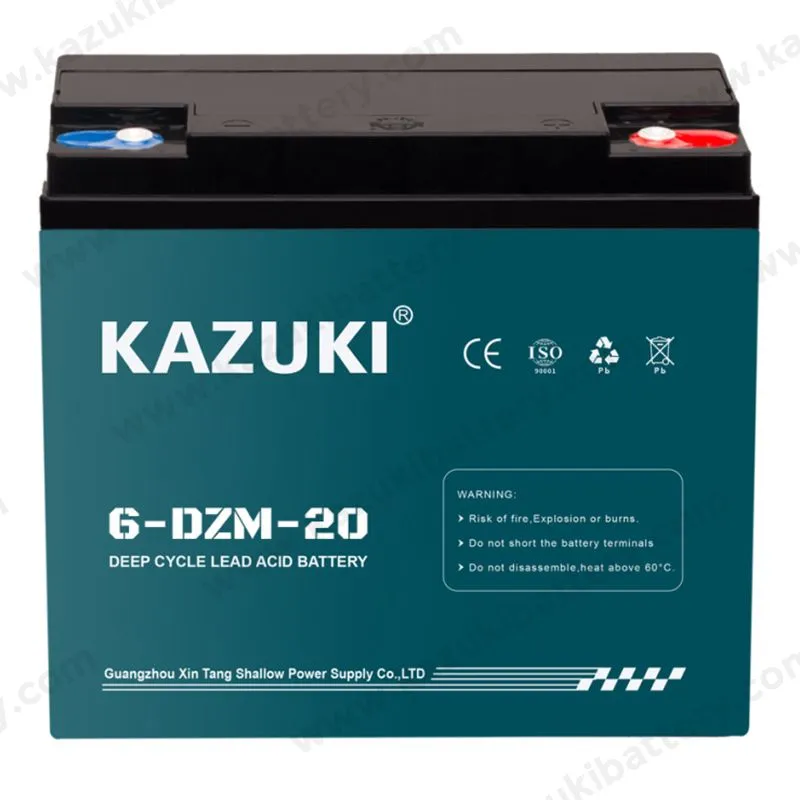
Lead-acid batteries in electric vehicles struggle due to weight, limited energy capacity, shorter lifespan, and environmental issues.
Lead-acid batteries are heavier than lithium-ion batteries. This extra weight can reduce the vehicle's efficiency and increase energy consumption.
Energy density is crucial for EV performance. Lead-acid batteries have about 30-50 Wh/kg, while lithium-ion batteries have 150-200 Wh/kg. This lower energy density results in shorter driving ranges.
Lead-acid batteries typically last 3-5 years, while lithium-ion batteries can last 8-15 years. This shorter lifespan means more frequent replacements, adding to costs.
The production and disposal of lead-acid batteries pose environmental risks. Improper disposal can lead to lead contamination in soil and water, raising public health concerns.
Charging lead-acid batteries can take significantly longer than charging lithium-ion batteries. This inconvenience can deter potential electric vehicle buyers, especially those who favor quick refueling.
While lead-acid batteries are cheaper initially, their shorter lifespan and higher replacement frequency can lead to greater long-term costs compared to lithium-ion alternatives.
Lead-acid batteries in electric vehicles present various challenges. These include their weight, limited energy density, short lifespan, environmental issues, and longer charging times. Understanding these challenges is essential for consumers and manufacturers alike. Future developments may lead to better alternatives that can overcome these obstacles.
The main disadvantage is their low energy density, which limits range and efficiency.
They typically last 3-5 years, depending on usage conditions.
Yes, lead-acid batteries are recyclable, but improper disposal can cause environmental harm.

Dec. 26, 2025

Apr. 17, 2026

Nov. 25, 2025

Mar. 16, 2026

Oct. 22, 2025

Nov. 18, 2025

Jan. 01, 2026

Dec. 22, 2025


